The Florida Keys Boating Guide: Everything You Need to Know
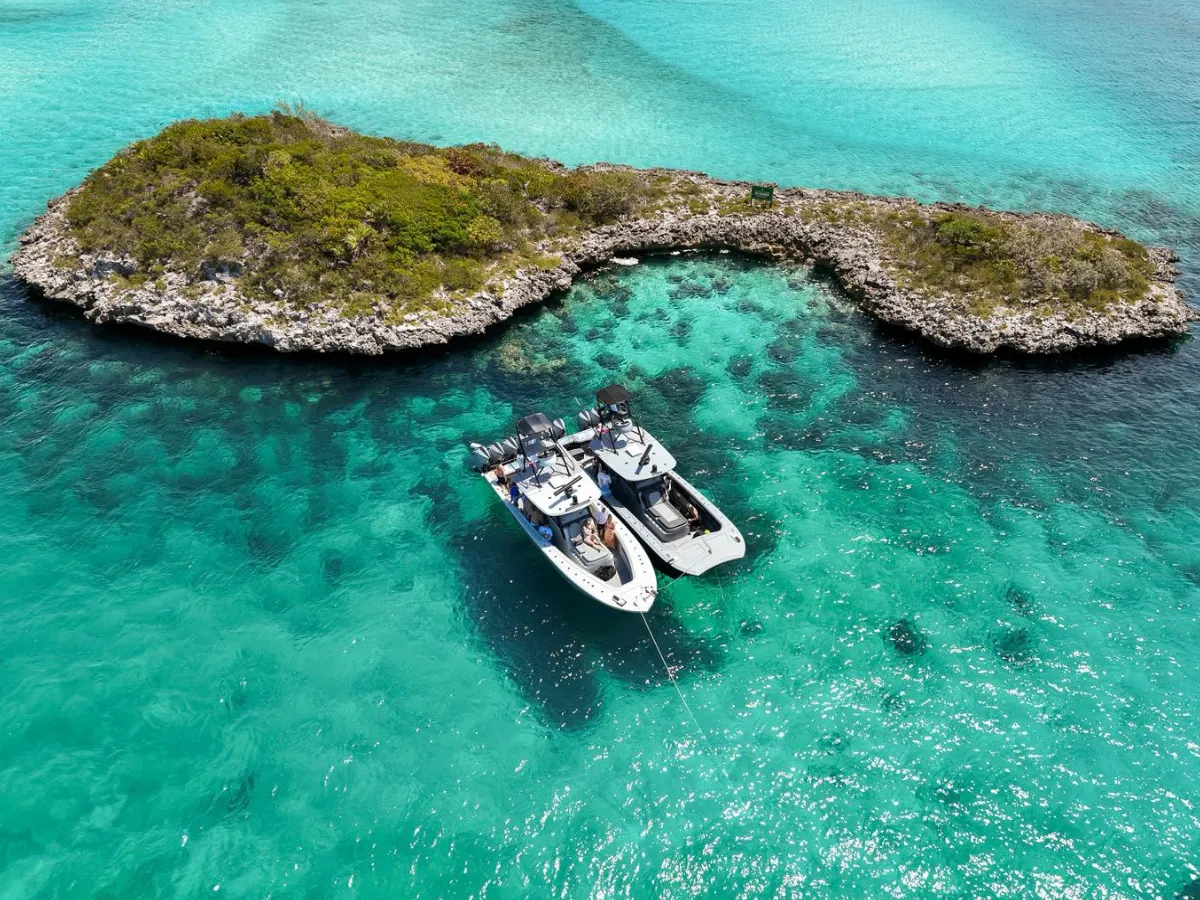
The Florida Keys are one of the most remarkable places in the world to be on the water. A thin chain of islands stretching 125 miles from Key Largo to Key West, the Keys sit between the Atlantic Ocean to the east and Florida Bay to the west, with the Gulf Stream running close offshore and the Bahamas less than a day's run to the east. Whether you are fishing, cruising, diving, or just looking for a sandbar to spend the afternoon, there is no place quite like it. This guide covers what you need to know to make the most of your time on the water here.
Understanding the Geography
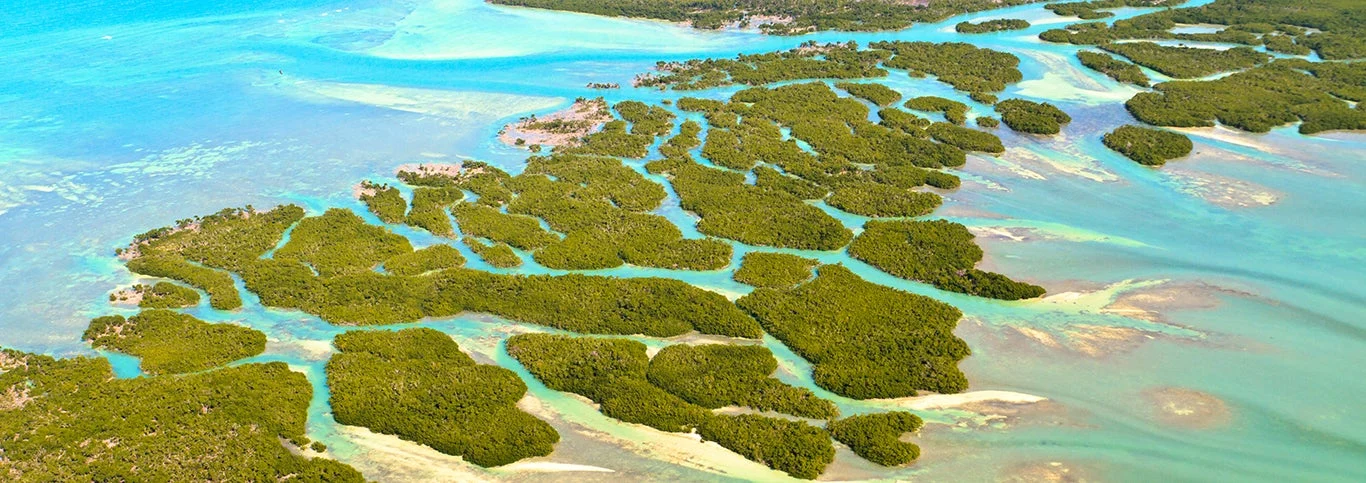
The Florida Keys are divided into three main areas from a boating perspective: the Upper Keys, the Middle Keys, and the Lower Keys. Each has its own character, its own fisheries, and its own navigational considerations.
Upper Keys
The Upper Keys run from Key Largo south to roughly Long Key. This is the most accessible part of the Keys from Miami and South Florida, and it is where BTH Marine is located. Key Largo sits at the northern end and offers direct access to both the Atlantic side and Florida Bay. Offshore structure, reef fishing, and the Gulf Stream are all within reasonable range. The backcountry and Florida Bay offer some of the best flats fishing in the world.
Middle Keys
The Middle Keys center around Marathon and Islamorada. Islamorada in particular has a long reputation as the sport fishing capital of the world, with a concentration of experienced guides, charter captains, and serious anglers that is hard to match anywhere. The Hump - a dramatic underwater rise off Islamorada - is one of the most productive offshore fishing spots in South Florida.
Lower Keys
The Lower Keys run from Big Pine Key down to Key West. The water here is some of the clearest in the Keys, with exceptional diving and snorkeling on both the Atlantic and Gulf sides. Key West is the terminus of US-1 and offers a full marina infrastructure, fuel, and provisioning for boats heading offshore or making a Dry Tortugas run.
Navigation in the Florida Keys
Navigating the Keys requires attention. The water is beautiful, but it is also shallow in places that can catch you off guard, and the combination of Atlantic current, tidal flow, and boat traffic demands situational awareness.
Know Your Draft
Florida Bay and the backcountry west of the Keys are extremely shallow. Depths of one to three feet are common, and running aground on a flat is easy to do if you are moving too fast or relying solely on a chartplotter. Know your draft, run at a speed that gives you time to react, and pay attention to water color - dark green or blue is depth, light green or brown is shallow.
Use Current Charts
The channels, markers, and depths in the Keys are well-charted, but conditions change. Shoaling, marker repositioning, and new hazards are updated regularly. Use current charts and keep your chartplotter software updated. NOAA charts are the standard reference for Keys navigation.
Bridges and Clearances
US-1 crosses the Keys on a series of bridges, and many of them have fixed vertical clearances that matter if you are trailering a boat with a tall console or T-top. Know your rig height before you drive under anything. For boats transiting the Keys by water, the channels under most bridges are clearly marked, but current and boat traffic can make them challenging in a larger vessel.
No Wake Zones and Idle Speed Areas
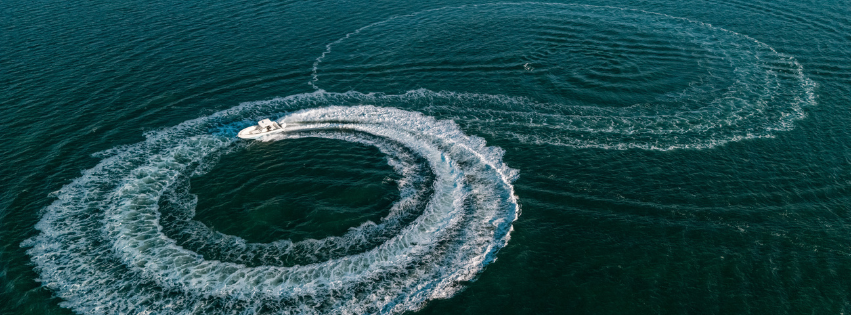
The Keys have extensive idle speed and no wake zones, particularly in marinas, canals, and near seagrass areas. Violations are taken seriously, and law enforcement presence on the water is consistent. Slow down early, give other boaters and anglers space, and treat the resource with respect.
Weather and Conditions
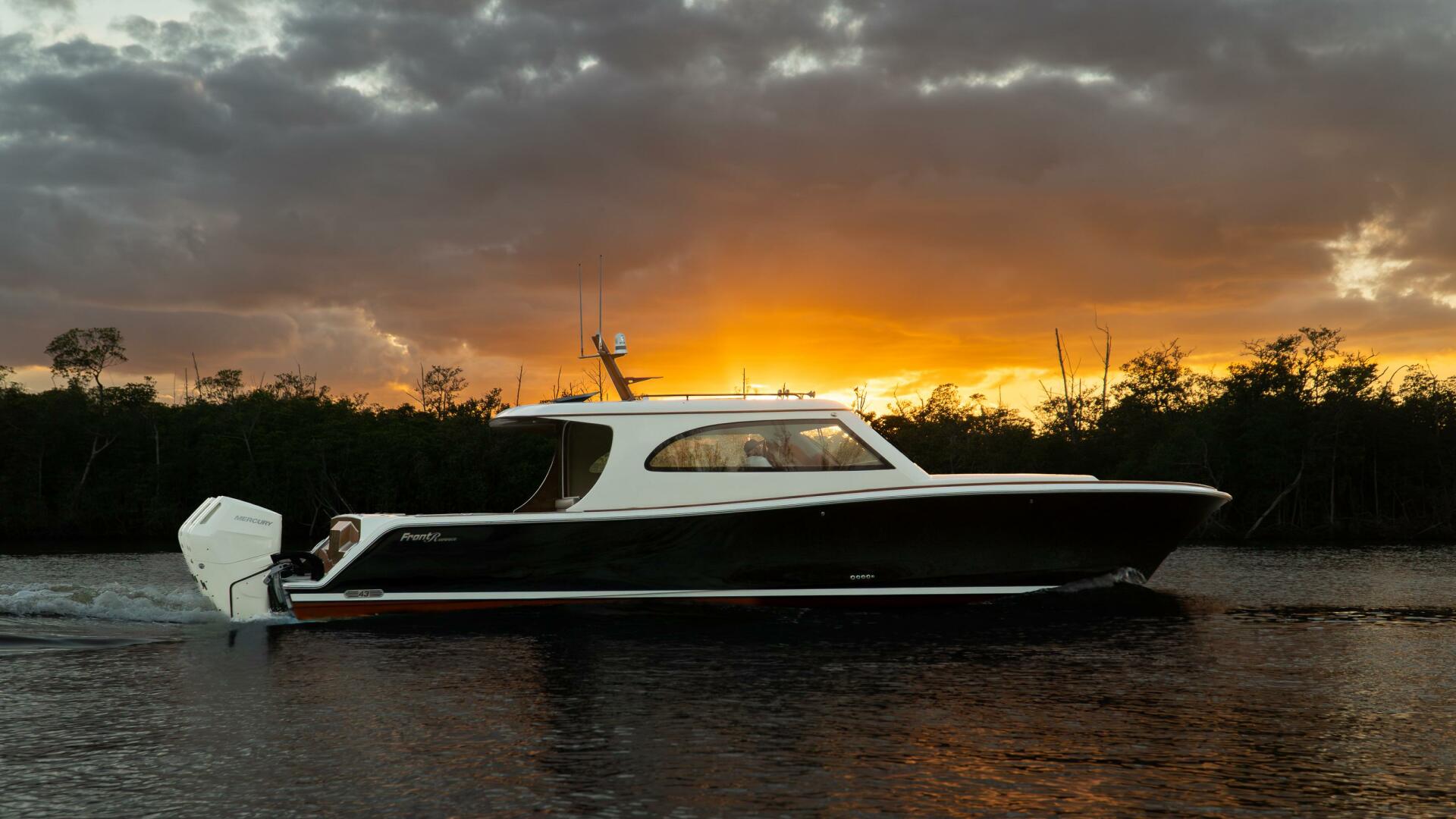
Florida Keys weather follows a predictable seasonal pattern, but the Keys can produce challenging conditions quickly and with limited warning.
Summer
Summer in the Keys means warm water, consistent southeast trades, and afternoon thunderstorm activity. The storms build inland and move offshore, typically in the afternoon. Morning departures are almost always the right call - get out early, fish your tide, and be back at the dock before the afternoon buildup. Lightning in South Florida is not something to take lightly on the water.
Winter
Winter brings cold fronts that move through on a regular cycle, typically every seven to ten days from November through March. Pre-frontal conditions can produce strong southeast winds and building seas, while post-frontal conditions bring northwest winds, cooler temperatures, and excellent visibility. The best offshore fishing days in the Keys are often in the days after a front passes, when the winds lay down and the water clears.
Hurricane Season
Hurricane season runs June through November, with peak activity in August and September. The Keys are in a high-risk zone and have been directly impacted by major storms. Keep your boat prepared, have a storm plan, and monitor the National Hurricane Center closely during active periods.
The Gulf Stream
The Gulf Stream runs close to shore off the Upper Keys, sometimes within a few miles of the reef. It brings warm, blue water, baitfish, and pelagic species within reach of day boats. It also produces its own weather - the current interacting with opposing wind can create steep, uncomfortable seas quickly. Check the marine forecast before any offshore run and give yourself honest margins.
Fishing the Florida Keys
The Keys offer more fishing variety within a short range than almost anywhere in the world. Here is a breakdown of the primary fisheries.
Reef Fishing
The Florida Keys sit along the third largest coral reef system in the world. The reef runs parallel to the Keys on the Atlantic side and holds an enormous variety of species - mutton snapper, yellowtail snapper, grouper, amberjack, and cobia among them. Reef fishing is accessible to boats of almost any size and is productive year-round.
Offshore and Gulf Stream
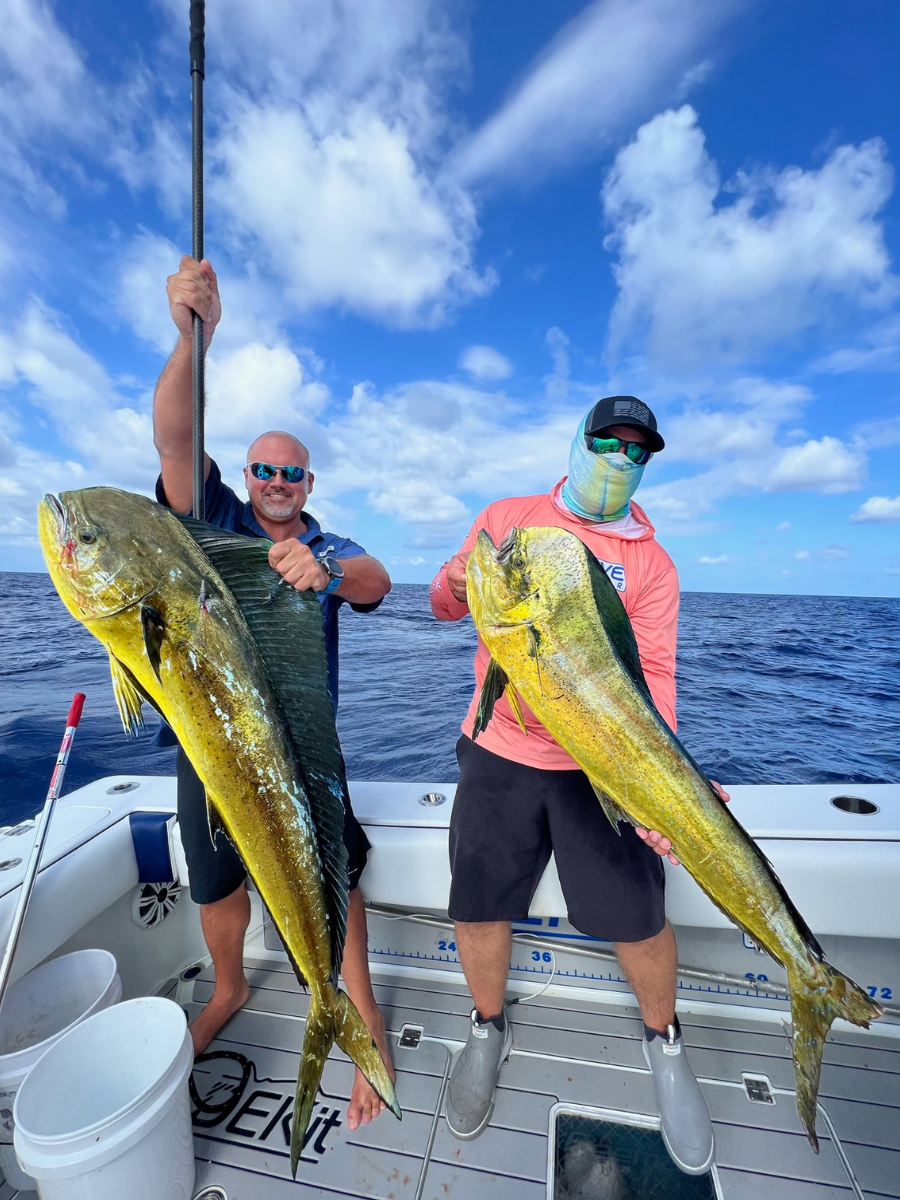
Push past the reef into the Gulf Stream and the fishing changes dramatically. Mahi-mahi, wahoo, tuna, sailfish, and marlin are all present seasonally. The spring and fall migrations bring concentrations of mahi along color changes and weed lines. Winter is peak sailfish season. The Gulf Stream is where the Keys' reputation as a world-class offshore fishing destination was built.
Deep Dropping
Deep dropping for tilefish, swordfish, and queen snapper has become one of the most popular offshore techniques in the Keys. Electric reels, heavy braided line, and deep-drop rigs get baits down to 800-1,500 feet over hard bottom. Daytime swordfishing - once considered impractical - is now a standard technique for experienced Keys captains, with quality fish caught regularly in 1,200 to 1,800 feet of water.
Backcountry and Flats
Florida Bay and the backcountry west of the Keys chain hold some of the most technically demanding fishing in the world. Tarpon, permit, and bonefish on the flats require a shallow-draft boat, a skilled guide or experienced angler, and patience. The backcountry also holds snook, redfish, and trout in good numbers. This fishery is completely different from offshore fishing and rewards local knowledge above all else.
Kite Fishing
Kite fishing is a Keys specialty. A kite deployed from the boat holds live baits at the surface, mimicking a struggling baitfish in a way that triggers aggressive strikes from sailfish, kingfish, and mahi near the reef and in the Gulf Stream. It requires specific rigging and some practice, but it is one of the most effective techniques in the Keys arsenal and a signature method for serious anglers here.
Must-Know Destinations
Alligator Reef Lighthouse
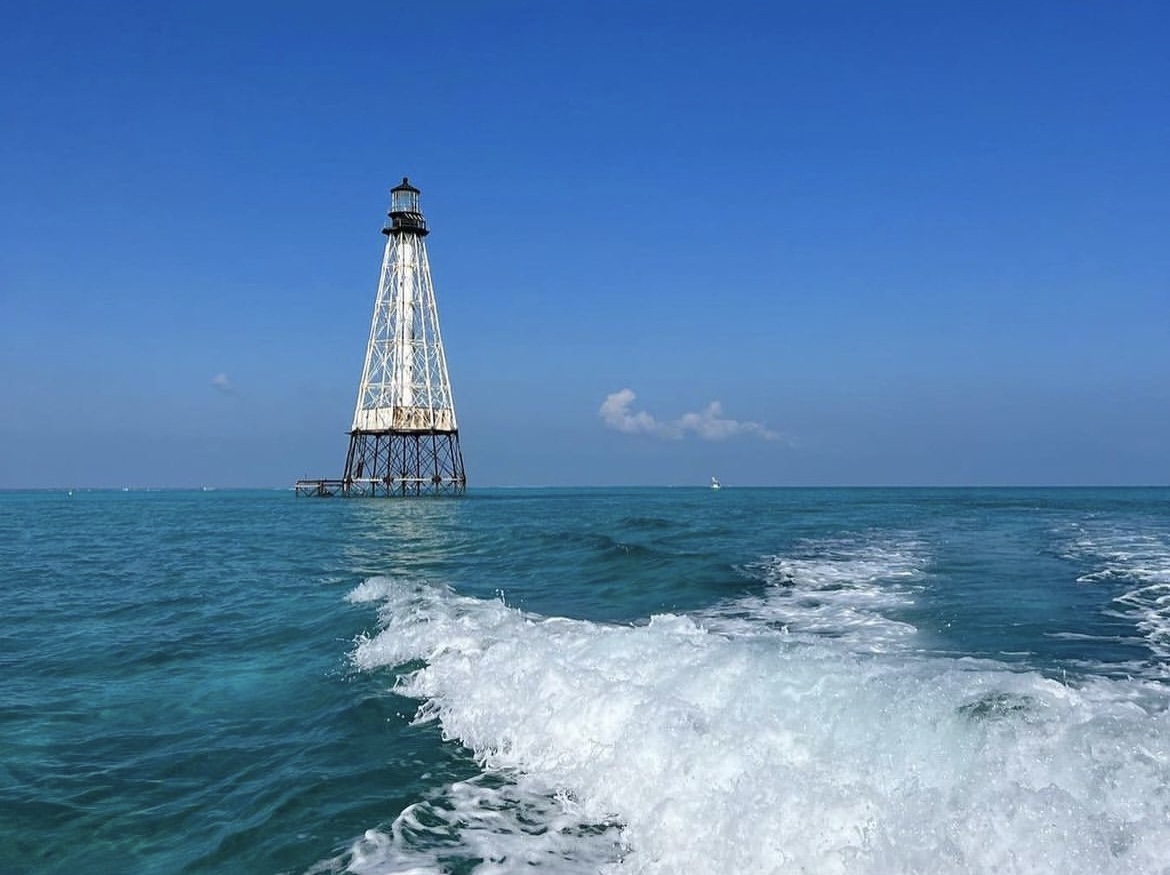
One of the iconic landmarks of the Upper Keys, Alligator Reef Lighthouse sits on the reef southeast of Islamorada. The surrounding reef is excellent for snorkeling, diving, and fishing, and the lighthouse itself is a navigation reference point for offshore runs. Anchoring near the lighthouse for a swim or a dive is a classic Keys afternoon.
The Hump
The Hump is an underwater ridge rising from deep water off Islamorada that concentrates bait and the predators that follow it. It is one of the most storied fishing spots in South Florida, producing consistent action on blackfin tuna, kingfish, and pelagics throughout the year.
Dry Tortugas
The Dry Tortugas are a group of islands 70 miles west of Key West, accessible only by boat or seaplane. The fishing and diving are exceptional, and the historic Fort Jefferson is one of the more remarkable places in the country. A Dry Tortugas run is a serious offshore passage - plan accordingly, with proper fuel capacity, safety equipment, and weather windows.
The Bahamas
The Bahamas are within reach of Keys-based boats with the range and offshore capability to make the crossing. Bimini is roughly 50 miles from Miami. The Berry Islands, the Exumas, and the Abacos are all accessible for boats set up for extended offshore passages. BTH Marine's location in Key Largo makes it a natural staging point for Bahamas-capable boats heading east.
Rules and Regulations
Fishing Licenses
Florida saltwater fishing requires a license for anglers. Licenses are available through the Florida Fish and Wildlife Conservation Commission website. Know the current regulations for the species you are targeting - bag limits, size limits, and closed seasons change, and enforcement in the Keys is active.
Marine Sanctuary Regulations
The Florida Keys National Marine Sanctuary covers the waters surrounding the Keys and includes specific regulations around anchoring, fishing, and access in certain zones. Sanctuary Preservation Areas (SPA) and Special Use areas have their own rules that go beyond standard fishing regulations. Know the zones before you go, particularly if you are diving or anchoring near the reef.
Florida Boating Safety Requirements
Florida law requires boater safety education for operators born after January 1, 1988. All boats must carry Coast Guard-required safety equipment including life jackets, fire extinguisher, flares, and a sound-producing device. Know the requirements for your vessel size before you leave the dock.
Boating Out of Key Largo
Key Largo is the northern gateway to the Keys and one of the best-positioned ports in South Florida for both Atlantic and backcountry access. The ramps, marinas, and fuel docks in Key Largo serve everything from small flats boats to large offshore sportfishers.
BTH Marine is located at 97951 Overseas Hwy in Key Largo with direct oceanside access, an 80-ton travel lift, dry storage, full service capabilities, and new and pre-owned boat inventory. Whether you are looking for your next boat, need service before a big trip, or want to talk through a repower, the team is here.
Call (786) 882-7969 or stop by the marina. If you are spending time on the water in the Keys, this is a good place to know.
