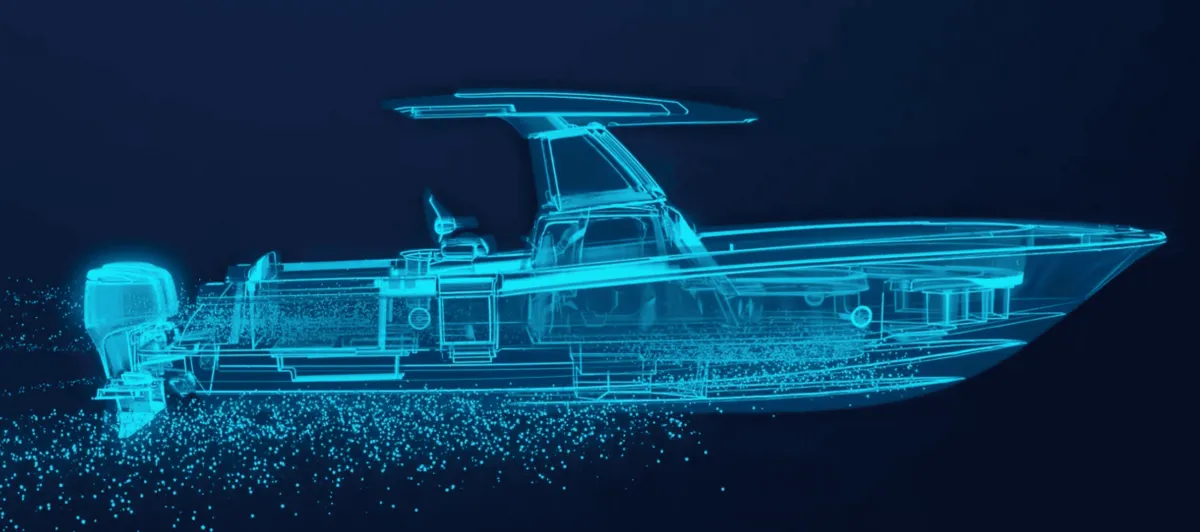
Seakeeper vs Seakeeper Ride: Which One Is Right for Your Boat
If you have spent any time on the water in the Florida Keys, you know that conditions can change fast. A calm morning run can turn into a beam sea by afternoon, and a long offshore trip in confused water is exhausting for everyone on board. Seakeeper has become the dominant solution for boat stabilization in the offshore fishing market, but the brand now offers two distinct products that work in fundamentally different ways. Understanding the difference matters before you decide which one belongs on your boat.
What Is Seakeeper
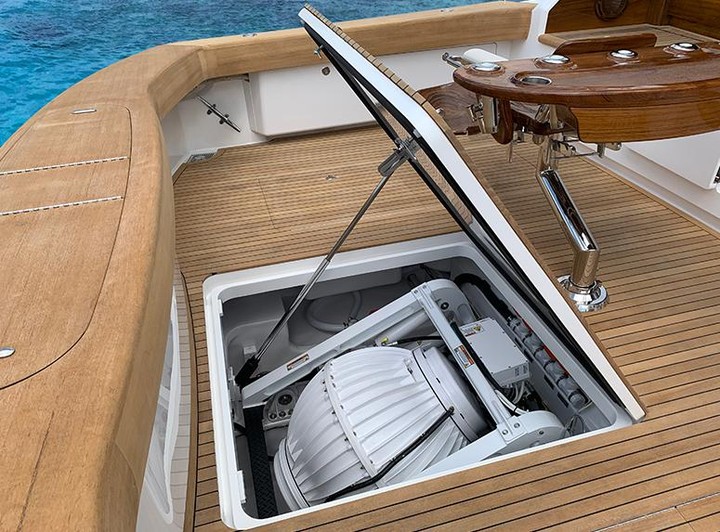
Seakeeper is a gyroscopic stabilizer that uses a spinning flywheel enclosed in a vacuum to eliminate boat roll. It mounts inside the hull, requires no external moving parts, and works at rest or underway. Since its introduction, Seakeeper has become standard equipment on serious offshore fishing boats and has moved rapidly into the mainstream recreational market.
The original Seakeeper - now referred to simply as Seakeeper - is a proven technology with a strong track record in demanding offshore conditions. It is available in multiple sizes to match different hull weights and lengths, and it has changed the experience of being on a boat at anchor, drifting on a reef, or making a long offshore run in beam seas.
What Is Seakeeper Ride
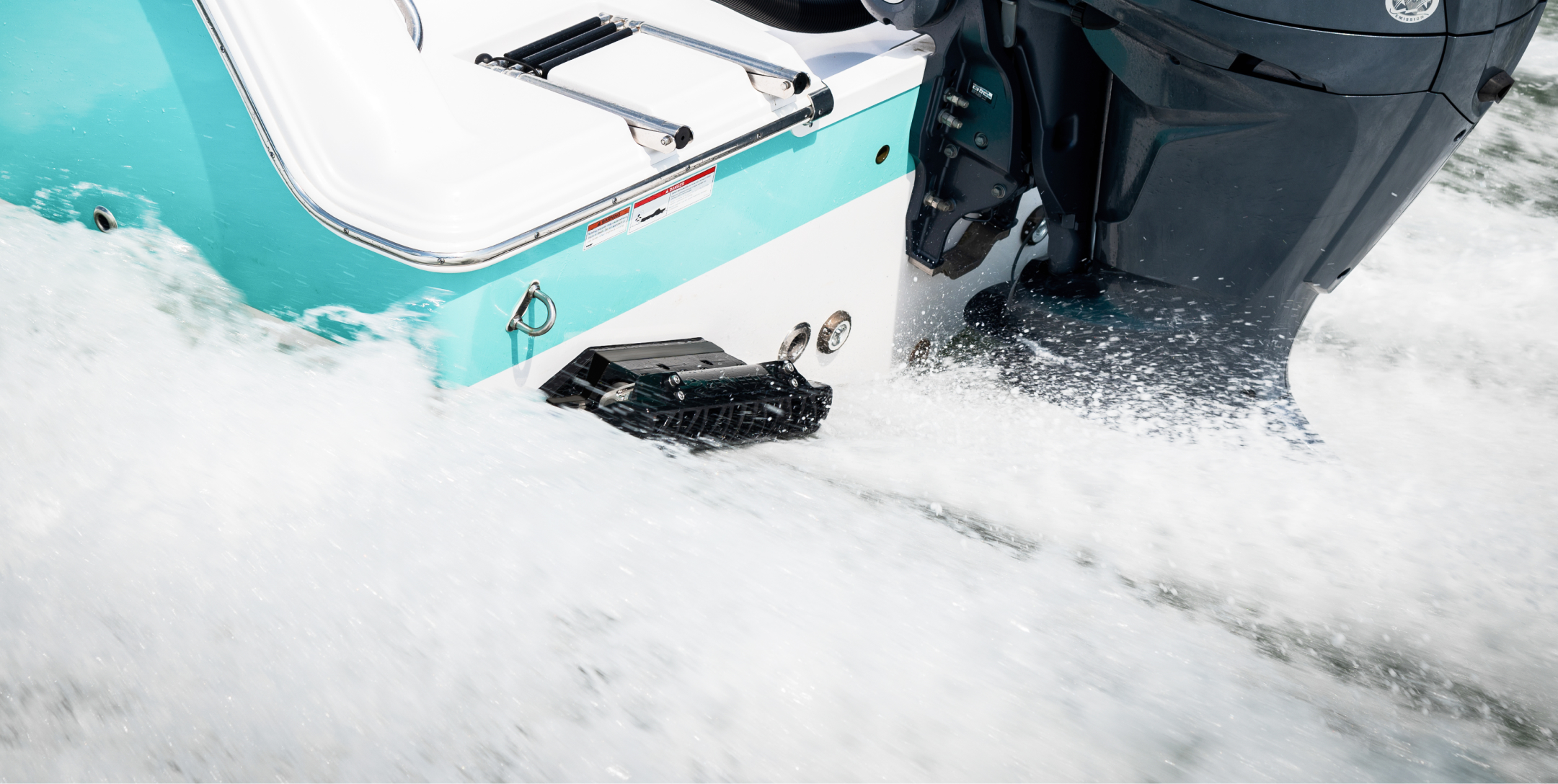
Seakeeper Ride is a different product entirely. Rather than a gyroscope, Seakeeper Ride uses active interceptor blades mounted on the transom that adjust thousands of times per second in response to real-time motion data. The system reads pitch and roll while the boat is underway and makes constant micro-adjustments to keep the hull level and planted.
Seakeeper Ride does not work at rest or at slow speeds - it is an underway stabilization system only. It is also significantly less expensive than a traditional Seakeeper gyroscope and requires far less installation space and weight.
How They Are Different
These are two fundamentally different technologies solving related but distinct problems. Understanding where each one excels is the key to making the right decision.
What Seakeeper Does Best
The original Seakeeper gyroscope excels at eliminating roll at rest and at slow speeds. If you spend time anchored up on a reef, drifting over structure, or sitting at a sandbar, the gyroscope is working the entire time. It is also highly effective in beam seas at cruise, where roll can be significant on a monohull.
For offshore fishing boats that spend long periods stationary - soaking baits, kite fishing, deep dropping - the gyroscope's ability to stabilize at rest is a genuine game changer. Crew comfort, bait presentation, and the ability to move around the cockpit safely are all meaningfully improved.
What Seakeeper Ride Does Best
Seakeeper Ride excels at eliminating pitch and roll while the boat is running. The active interceptor system responds to real-time motion data faster than any passive system can, and the result is a dramatically smoother ride at cruise. Passengers arrive at the destination less fatigued, the boat feels more planted and confident at speed, and the helm experience is noticeably improved in a chop.
For boats that make long runs - Key Largo to the Bahamas, offshore to deep structure, or regular trips down the Keys chain - Seakeeper Ride addresses the conditions that matter most on those trips.
Size and Installation
Seakeeper Gyroscope
Seakeeper gyroscopes are sized by the weight and length of the vessel. The units range from the compact Seakeeper 1 for smaller boats up to the Seakeeper 26 for large yachts. For a typical 35-45 foot offshore fishing boat in the Keys, a Seakeeper 3, 5, or 6 is the most common configuration.
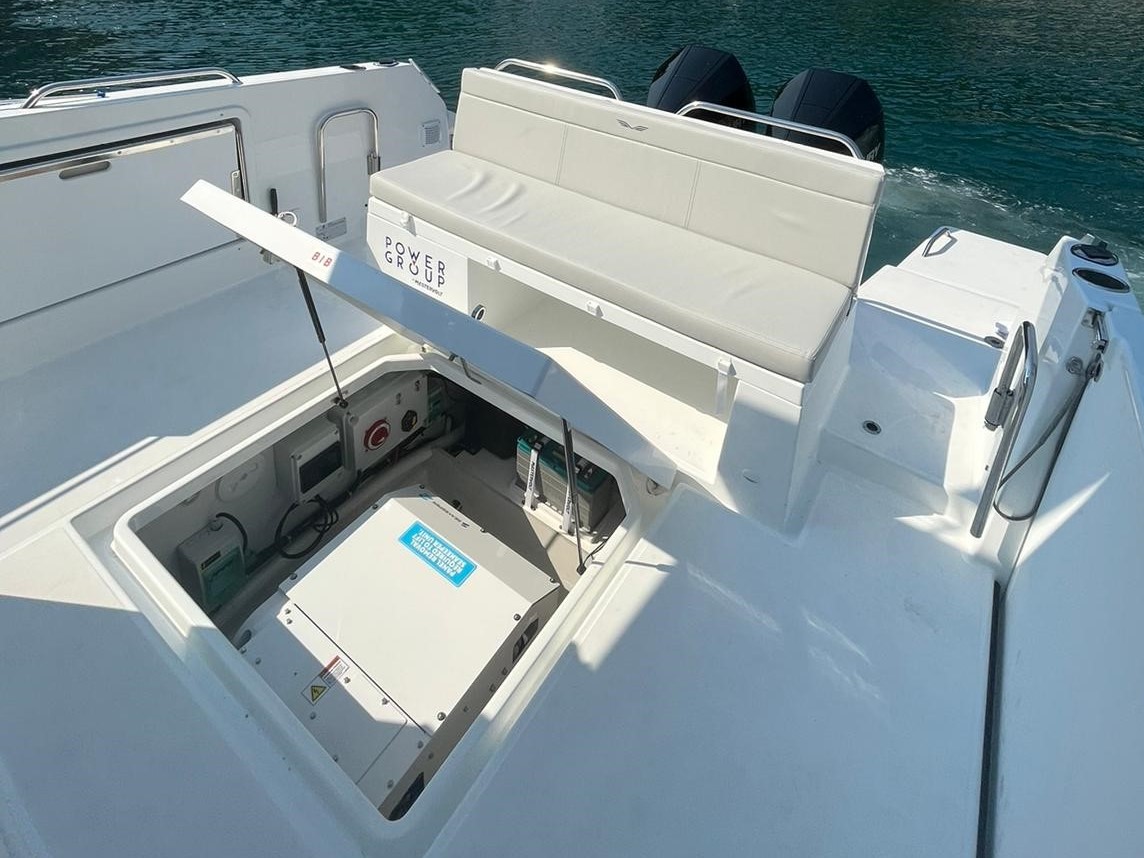
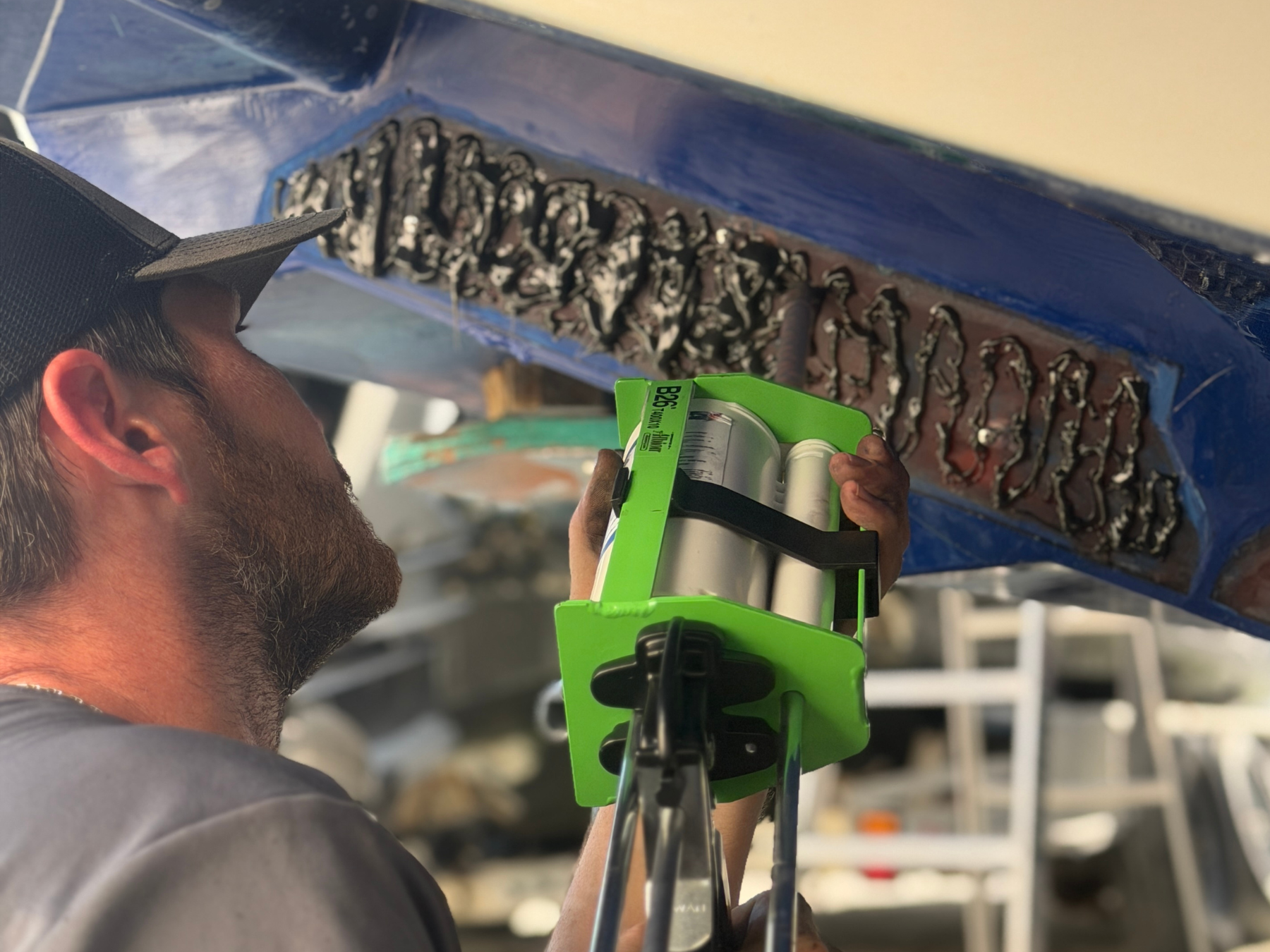
Installation requires dedicated space below deck, proper structural mounting, and a dedicated power supply. It is not a simple add-on - it is a systems installation that should be done by a qualified marine technician. The units are also heavy, which is a consideration on performance-focused fishing boats where weight matters.
Seakeeper Ride
Seakeeper Ride installs on the transom with interceptor blades and a motion sensor. The installation footprint is dramatically smaller than a gyroscope, and the system adds minimal weight. It is a more straightforward installation that can be retrofitted to a wider range of boats without the structural and space requirements of a gyroscope.
Cost Comparison
The original Seakeeper gyroscope is a significant investment. Units for boats in the 30-45 foot range typically run from the mid-teens to the low-twenties in thousands of dollars for the unit alone, plus installation. It is a premium product with a premium price, and it holds value well on the resale market.
Seakeeper Ride is considerably less expensive - typically a fraction of the cost of a comparable gyroscope installation. For buyers who want meaningful stabilization improvement without the full investment of a gyroscope, Seakeeper Ride offers a compelling entry point.
Can You Have Both
Yes, and on larger offshore boats it is increasingly common. The gyroscope handles stabilization at rest and in beam seas at cruise, while Seakeeper Ride handles pitch and roll reduction underway. The two systems complement each other and address different aspects of the stabilization equation.
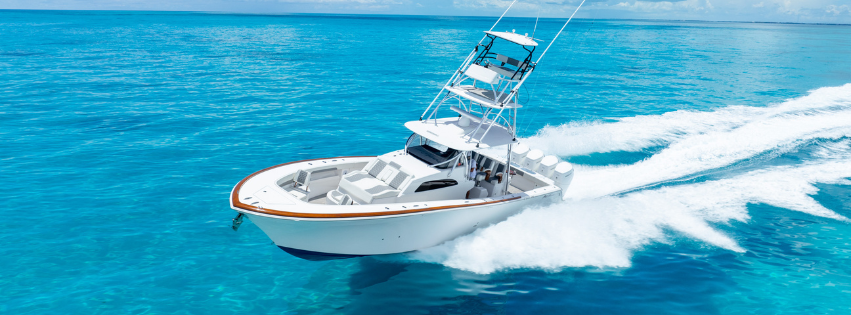
On a purpose-built offshore fishing boat used for long-range trips, Bahamas crossings, or extended offshore stays, running both systems together delivers the most complete stabilization experience currently available in the recreational market. The custom 47-foot Front Runner operated by Keys Bluewater Charters runs a Seakeeper 6 - a reflection of how seriously professional charter captains take crew comfort and boat stability on demanding offshore trips.
Which One Is Right for You
The answer depends on your boat and how you use it.
If you spend significant time at anchor, on the drift, or stationary while fishing - the original Seakeeper gyroscope is the right investment. The stabilization at rest is the feature that will change your experience most dramatically.
If your primary concern is the ride quality on long runs and you want a more accessible entry point into active stabilization - Seakeeper Ride is a strong choice that delivers real results at a lower cost and with a simpler installation.
If you run hard, run far, and want the best possible experience both underway and at rest - run both.
Questions About Stabilization for Your Boat
BTH Marine works with serious offshore boats every day. If you are weighing stabilization options for a new build or a repower and want an honest conversation about what makes sense for your specific boat and how you fish, the team is happy to talk it through.
Call (786) 882-7969, stop by the marina at 97951 Overseas Hwy in Key Largo, or reach out through the contact page.
